Best Ramen and Noodle Shops in Koreatown LA
2026-03-17 · The RFC Group
Best Ramen and Noodle Shops in Koreatown LA
Koreatown sits at the crossroads of multiple Asian noodle traditions. Japanese ramen shops, Korean kalguksu restaurants, Chinese-Korean jjajangmyeon spots, and hand-pulled noodle houses all operate within walking distance of each other. For residents of 856 S Gramercy Dr, this means a different noodle experience is available every night of the week — and most of them cost under $15.
Here is the definitive guide to ramen and noodles in and around Koreatown.
Japanese Ramen
Daikokuya — 327 E 1st St (Little Tokyo) and Nearby Locations
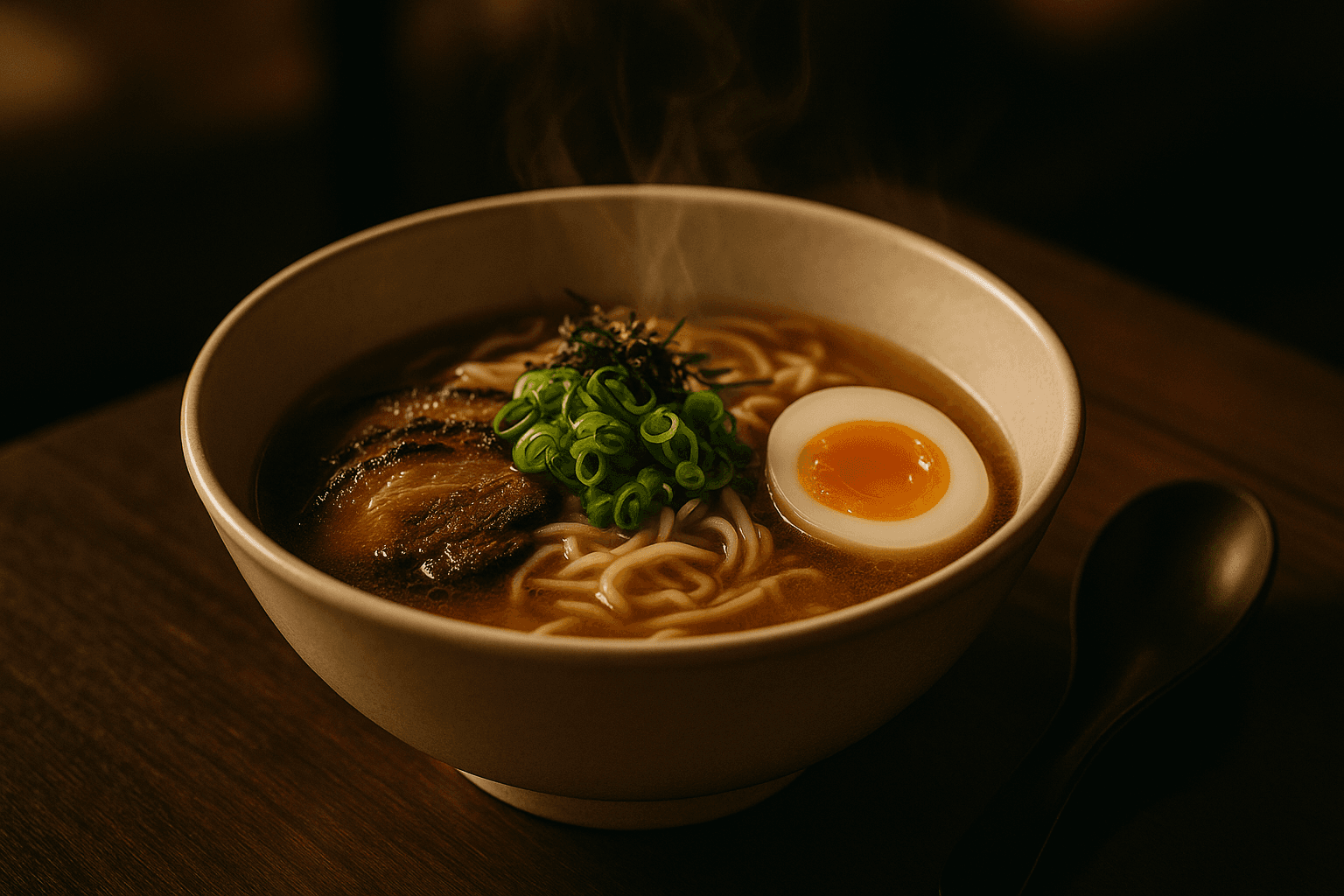
Daikokuya is one of the most celebrated ramen shops in all of Los Angeles. The original Little Tokyo location has maintained a line out the door for over two decades, and the quality of the tonkotsu (pork bone) broth is the reason. The broth is rich, opaque, and deeply flavored from hours of simmering. The chashu pork is tender and properly torched. The soft-boiled egg is cooked to that precise custard-like center that separates great ramen from good ramen.
While the original location is in Little Tokyo, Daikokuya's proximity to Koreatown via the Metro makes it an easy trip for K-Town residents. Take the D Line from Wilshire/Western toward downtown, and you are there in under 20 minutes. For a bowl of ramen this good, the short commute is worth it.
What to order: The Daikoku Ramen — tonkotsu broth, chashu, soft-boiled egg, green onions, and their house blend of tare (seasoning).
Shin-Sen-Gumi — 3260 W Olympic Blvd
Shin-Sen-Gumi is a ramen chain that originated in Gardena but has a strong presence in the Koreatown area. The Hakata-style tonkotsu ramen is the specialty — a milky white pork bone broth that is lighter and more refined than the heavy, viscous style found at some competitors.
What sets Shin-Sen-Gumi apart is the customization system. You choose your noodle firmness (from soft to extra firm), broth richness, and spice level. This means you can dial in your exact preference over multiple visits. The regulars know their order by heart: "kata" noodles (firm), standard richness, extra green onions.
The Olympic Boulevard location is directly accessible from 856 Gramercy — a straight shot west that takes about 10 minutes on foot.
What to order: Tonkotsu ramen with kata noodles and an extra egg. Add the spicy miso paste on the side if you want heat without committing the whole bowl.
Tsujita LA — 2057 Sawtelle Blvd (Sawtelle)
Tsujita is worth the short drive to Sawtelle for one specific dish: the tsukemen (dipping noodles). Thick, chewy noodles are served cold alongside a concentrated, almost gravy-like pork and fish broth. You dip the noodles into the broth, and the contrast between the cool noodles and the hot, intensely flavored liquid is revelatory.
The regular ramen is also excellent — a rich tonkotsu shoyu that competes with the best in the city. But the tsukemen is the reason people line up before opening. Arrive early or expect a 30-minute wait.
What to order: The tsukemen with thick noodles. Get the broth extra hot if you are a slow eater — it cools quickly.
Silverlake Ramen — Koreatown Location
Silverlake Ramen has been serving Koreatown since 2012, and the menu offers reliable ramen with some creative additions. The Devil's Crunch uses Carolina Reaper pepper for serious heat — this is not a gimmick; it is genuinely one of the spiciest ramen bowls in LA. The Overload combines pork cutlet, pork belly, and spare ribs in a single bowl, delivering the kind of excessive protein load that makes sense after a long night out in K-Town.
What to order: The original tonkotsu for your first visit. The Devil's Crunch only if you have a genuine tolerance for extreme heat.
Slurpin Ramen Bar — 3500 W 8th St
Slurpin Ramen Bar operates two Koreatown locations (8th Street and 6th Street), and the lines at both suggest the quality is worth the wait. The pork broth is the foundation of the menu — rich and clean, without the heavy fattiness that can make some tonkotsu feel like a chore to finish.
The 8th Street location is the original and tends to be more crowded. The 6th Street location offers the same menu with slightly shorter waits. Both locations have limited seating, so plan for a wait during peak dinner hours.
What to order: The house special ramen with extra chashu.
Korean Noodles
Korean noodle dishes occupy a different space than Japanese ramen. Where ramen focuses on complex broths and specific noodle textures, Korean noodles tend toward heartier, more comforting preparations — big bowls designed to warm you up and fill you up.
Ma Dang Gook Soo (MDK Noodles) — 869 S Western Ave
MDK Noodles is a Koreatown institution serving knife-cut noodles (kalguksu) in a rich anchovy broth. The noodles are made in-house and have a chewy, irregular texture that comes from being hand-cut rather than machine-extruded. The broth is clean and savory, with a depth that comes from hours of simmering dried anchovies, kelp, and vegetables.
A bowl of kalguksu at MDK runs about $10, and the portion is generous. Side dishes (banchan) are included and refillable. The restaurant is small, with limited seating, and the lunch rush can create a wait — but the line moves quickly because the food arrives fast.
MDK is one of the closest noodle shops to 856 S Gramercy Dr — a five-minute walk down Western Avenue.
What to order: The kalguksu with dumplings. The dumplings are handmade and large, filled with pork and vegetables.
Hangari Kalguksu — 3470 W 6th St
Hangari serves kalguksu in traditional stone pots (hangari) that keep the broth hot from the first spoonful to the last. The noodles are house-made and the broth is anchovy-based, similar to MDK, but the stone pot preparation gives the dish a slightly different character — the edges of the broth develop a light toastiness from contact with the heated stone.
The menu also includes sujebi (Korean hand-torn noodle soup), which uses irregularly shaped dough pieces instead of cut noodles. The texture is closer to dumplings than noodles, and the broth is the same rich anchovy base. It is comfort food in its purest form.
What to order: Kalguksu in the stone pot. Add a side of kimchi mandu (dumplings) for the complete experience.
Jjajangmyeon Spots
Jjajangmyeon — thick wheat noodles smothered in a black bean paste sauce with diced pork and vegetables — is the Korean-Chinese comfort food that every Korean person has a relationship with. It is the dish you order on moving day, on rainy days, and whenever you want something rich and satisfying without spending more than $12.
Zzamong at 3917 W 6th St is one of the better spots in Koreatown for jjajangmyeon. The portions are enormous, the black bean sauce has a proper depth of flavor, and the noodles have the right level of chew. The jjamppong (spicy seafood noodle soup) is equally strong — a fiery red broth packed with shrimp, squid, mussels, and vegetables.
What to order: Get both the jjajangmyeon and jjamppong for the table and share. They are complementary flavors — the rich, sweet-savory black bean against the sharp, spicy seafood.
Hand-Pulled and Specialty Noodles
Myung In Dumplings — 3109 W Olympic Blvd
Myung In is technically a dumpling house, but the noodle dishes are equally compelling. The kalguksu is served in a deep, anchovy-forward broth with a generous portion of handmade noodles. The real draw is the combination platter that includes both noodles and a selection of dumplings — steamed, fried, and boiled — allowing you to sample everything in a single visit.
What to order: The dumpling and noodle combination. Add an order of the fried mandu for the table.
Slurp & Sip
Slurp & Sip takes the Korean ramyun format — instant-style noodles in a spicy broth — and elevates it into a proper restaurant experience. Bowls start at $5.99 and top out around $12, making it one of the most budget-friendly noodle options in the neighborhood. The ramyun is customizable with protein additions, vegetables, and spice levels.
This is not haute cuisine — it is unpretentious, affordable, and satisfying. For a quick noodle fix on a Tuesday night, Slurp & Sip delivers exactly what you need without the wait times of the more popular ramen shops.
Building a Noodle Routine
The variety of noodle options within walking distance of 856 S Gramercy Dr means you can eat noodles five nights a week without repeating a restaurant or a tradition:
Monday — MDK Noodles for knife-cut kalguksu.
Tuesday — Slurpin Ramen Bar for tonkotsu.
Wednesday — Zzamong for jjajangmyeon.
Thursday — Hangari Kalguksu for stone pot noodles.
Friday — Shin-Sen-Gumi for customized Hakata ramen.
Total weekly noodle budget: roughly $60 to $75. Total satisfaction: immeasurable.
Why Noodle Access Matters for Residents
Living near great noodle shops sounds like a minor lifestyle perk until you experience it daily. A $10 bowl of handmade kalguksu on a cold evening. A $12 ramen after a late night. A $6 ramyun when payday is still a week away. These meals form the backbone of daily life in Koreatown, and their proximity to 856 Gramercy means they are always an option.
The walkable neighborhood and building amenities at 856 Gramercy create a daily life where great food is never more than a few minutes away. That is the kind of convenience that changes how you experience a city.
Schedule a tour of 856 Gramercy and put yourself within walking distance of the best noodles in Los Angeles.
Looking for an apartment in Koreatown?
Explore available units at The Gramercy — new luxury apartments with modern amenities.
View Available Units